Boston visitor guide
Walking the Freedom Trail: Pairing Historic Landmarks with Evening Events
A good Boston Freedom Trail itinerary starts with Boston Common and the Massachusetts State House, then works through downtown landmarks at a pace that leaves room for breaks and an evening event. You can keep it to a short selected walk or stretch farther toward the North End and Charlestown. The main choice is how much history you want before dinner and a show.
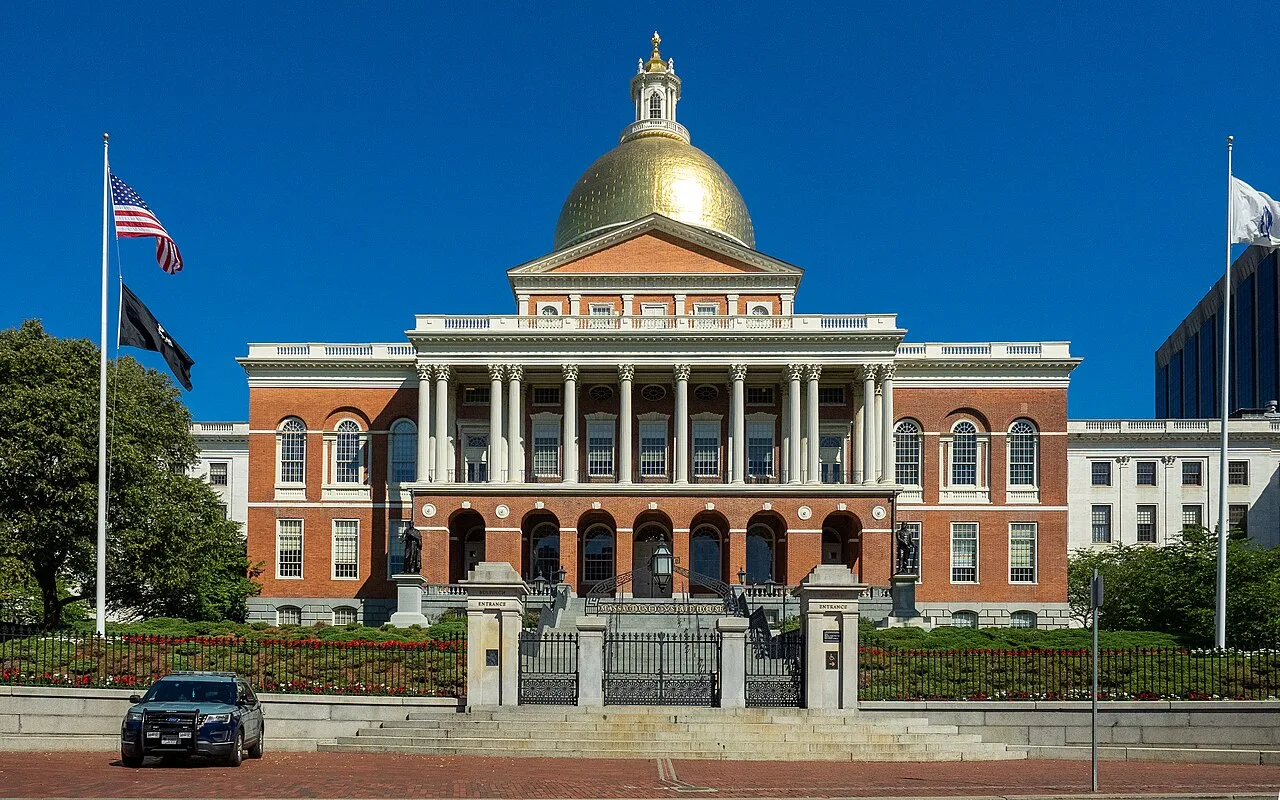
Start at Boston Common and the State House, then decide whether you want a shorter downtown walk or a longer route toward Charlestown. The Freedom Trail is free to follow outdoors, but some sites need admission. For an evening plan, leave enough time for dinner and the trip to a downtown theater or TD Garden.
Browse Boston local guides →Start at Boston Common and the State House
Boston Common is the natural opening point because the Freedom Trail begins there, and the Visitor Information Center at 139 Tremont Street offers a clear meeting point. From Tremont Street, head toward the Massachusetts State House. That gives you an easy first stretch without trying to cover everything at once.
The State House is a useful first landmark because it is the current seat of Massachusetts government and dates to 1798. That matters if you are comparing old photos with today’s city: the State House is not the older Old State House, which is a different building from 1713. If you want a quick opening loop, you can also continue from there to Granary Burying Ground and King’s Chapel. Boston Common and the State House make a strong launch point before you head downtown.
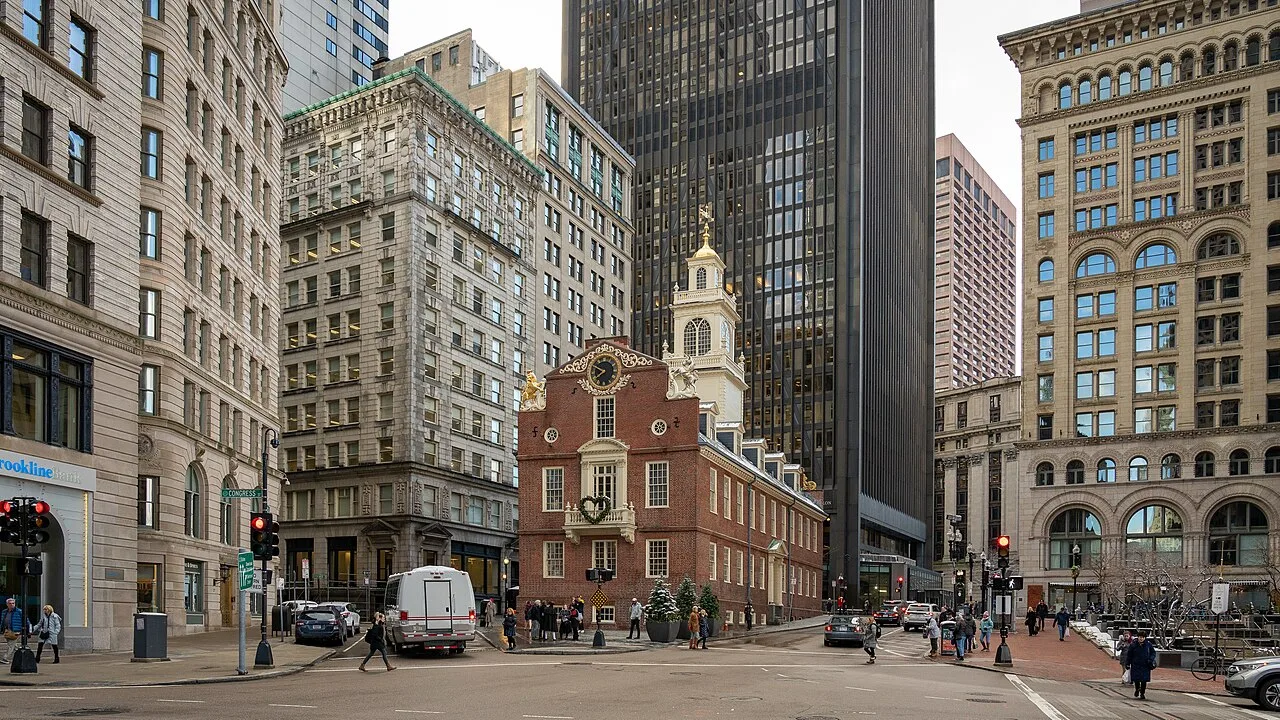
Follow the trail to the Old State House and downtown landmarks
From the State House, the trail brings you into the historic core around Park Street Church, Granary Burying Ground, King’s Chapel, the Boston Latin School site, and the Old Corner Bookstore. These stops work well as a downtown cluster because they sit close enough together for a shorter walk, and the trail resource lists them among the official sites you can follow on foot. The Boston Latin School stop is a mosaic and statue marking the original schoolhouse site, not the present campus.
The Old State House is one of the clearest anchor points for a visitor, since it is the oldest surviving public building in Boston. From there, the route can continue to the Boston Massacre Site and Faneuil Hall. If you want a practical half-day plan, this downtown section gives you the most dense history without forcing you to cover the full trail. The Boston event calendar can help you choose an evening performance after your walk.
Choose a short route or a longer route toward Charlestown
The Freedom Trail is 2.5 miles long and includes 16 official historic sites, but you do not need to treat it as one fixed all-day walk. A shorter plan can stop after the downtown sites, while a longer plan can continue into the North End or onward to Charlestown. The trail resource makes clear that visitors may follow the path to all sites, yet the best choice for most event days is to pick one extension instead of trying to do everything.
If you want a compact route, the first section from Boston Common through the State House, Granary Burying Ground, King’s Chapel, and the Old State House is a reasonable shortened plan. If you want more, add the North End stops such as Paul Revere House, Old North Church, and Copp’s Hill Burying Ground, or push on to Charlestown for the USS Constitution and Bunker Hill Monument. The main tradeoff is simple: a shorter route leaves more time for dinner and an evening event, while the longer route needs a slower pace.
Historic pavements, grades, and building access vary along the trail, so it is wise not to assume that every stop will feel the same. A flexible route lets you choose where to pause, especially if you are fitting the walk around another reservation later in the day. TD Garden is the most obvious anchor if your evening is in the North Station area.
Plan museum hours, breaks and dinner
The official trail resource lists open hours for many sites, but those hours differ by stop, and some places close on certain days. That means your plan works best if you build in a few short breaks rather than trying to move in one straight line. A selected walk can fit into roughly 2 to 3 hours, while a full museum day will take longer.
A smart break point is Faneuil Hall or the area near the Old State House, since both sit in the downtown cluster and make it easier to step away for coffee, lunch, or a rest before continuing. If you are doing the North End extension, the pace should stay looser because the added sites reward slower stops rather than a rushed pass-through. Reserve dinner with your curtain time in mind. For a performance after the walk, check the theatre calendar before settling on your final trail stop.
Connect the walk to an evening theater or arena event
The easiest pairing is a downtown theater show after the trail, especially if you end near the Old State House or Faneuil Hall and then head to Citizens Opera House at 539 Washington Street. That venue sits in Boston’s theater district, so it fits naturally after a downtown walking route. Because lobbies generally open before curtain and the venue recommends arriving with time to spare, it helps to avoid planning a very late dinner.
If your evening is at TD Garden, the best setup is to finish the trail with the North End or Charlestown extension and then move toward North Station. TD Garden is at 100 Legends Way and connects closely with North Station, so it works well as the end point for a day that already moved north from downtown. A sports or concert night also pairs well with a shorter trail plan, since the arena bag policy and event layout can add extra time at entry. TD Garden and concerts are good places to compare event choices.
Before you head out
Questions, answered
How long does the trail take?
For many visitors, a selected walk takes about 2 to 3 hours, but that is just a practical planning range, not a fixed tour length. The full Freedom Trail is 2.5 miles with 16 official sites, so a full day takes longer, especially if you add museum time or interior visits. Details ↗
Is it free to walk?
Yes. The outdoor Freedom Trail is free to follow on City of Boston sidewalks. Keep in mind that some museums and tours along the route require admission, so the walk itself can be free even if you choose paid interior visits at certain sites. Details ↗
Can I walk only part of it?
Yes, and that is often the best choice on a day when you also want dinner or a show. You can do the downtown stretch from Boston Common through the Old State House, or add the North End or Charlestown extension if you want more time on foot. Details ↗
Where should I start?
Boston Common is the most useful start, and the visitor resource also points to the Boston Common Visitor Information Center. From there, the Massachusetts State House is the next easy landmark, which makes the opening section simple to follow without backtracking. Details ↗
Can I combine it with an evening show?
Yes. A downtown theater event at the Citizens Opera House pairs well with a shorter downtown walk, while TD Garden works better if you finish farther north. The main planning choice is to leave enough time for dinner, transit, and the venue’s entry process instead of trying to squeeze in every stop. Details ↗
Sources & References
Event details and visitor information checked 2026-11-28. Check the venue's current guidance before you travel.
- Citizens Opera House visitor information ↗
- FAQ | Citizens Bank Opera House ↗
- Accessibility | Citizens Bank Opera House ↗
- Contact Us | Citizens Bank Opera House ↗
- TD Garden visitor information ↗
- TD Garden: Accessibility ↗
- TD Garden: Policies ↗
- TD Garden: Directions and parking ↗
- Experience the Freedom Trail Now (Visitor Resource) | The Freedom Trail ↗
- Trail Sites | The Freedom Trail ↗
- Accessibility on the MBTA | MBTA ↗